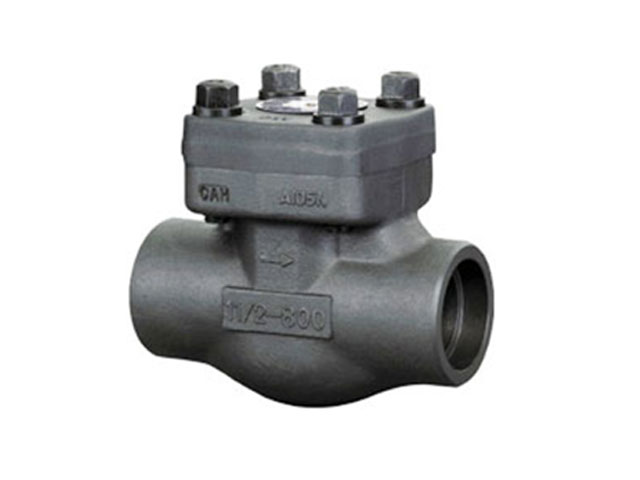
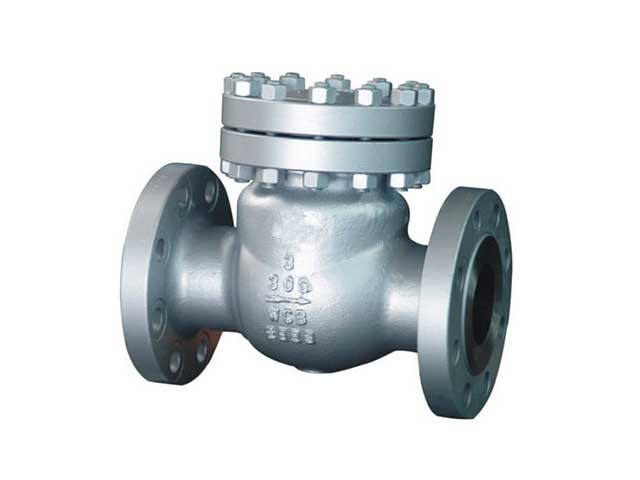
When talking about valves, two important types come up: ball valves and plug valves. Both of these valves are used to control the flow of liquids and gases in pipes. They are common in many industries like plumbing, oil and gas, and manufacturing. Choosing the right valve is important for any project. At Guocheng Valve Group Co., Ltd, we understand that knowing the differences between these two types can help wholesale buyers make the best choice for their needs.
What Are the Key Differences Between Ball Valves and Plug Valves for Wholesale Buyers?
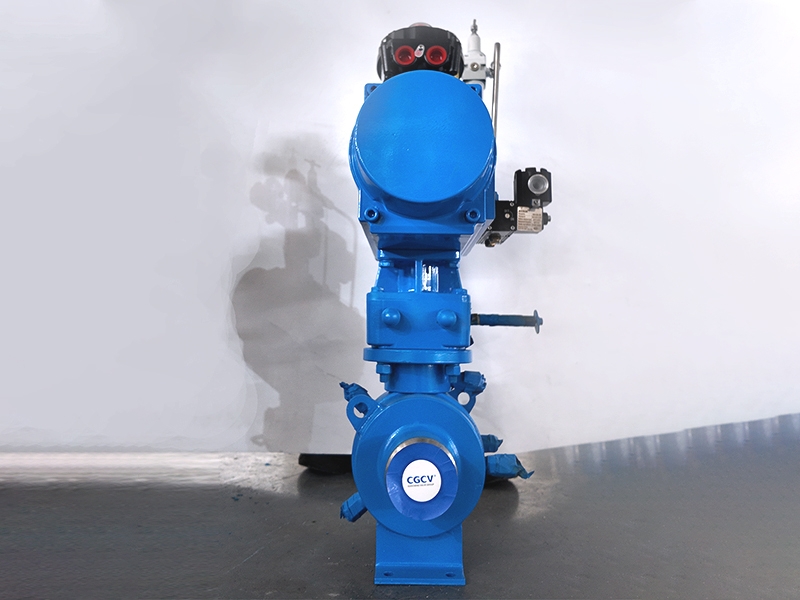
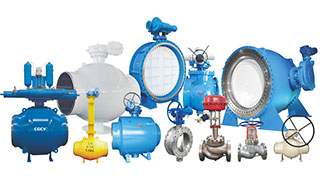
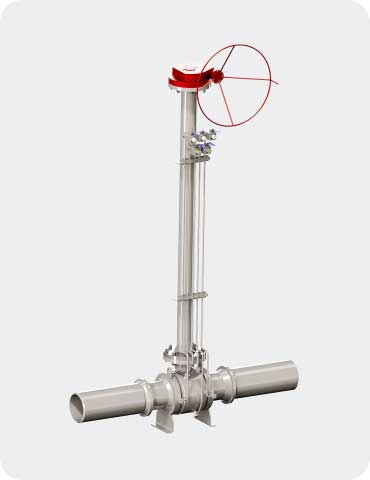
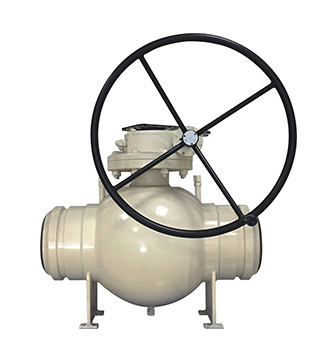
Ball valves and plug valves have some key differences that matter. First, let's talk about how they work. Ball valves have a round ball inside them. This ball has a hole through the middle. When the valve is open, the hole lines up with the pipe, allowing fluid to flow through. When the valve is closed, the ball turns, blocking the flow. Plug valves, on the other hand, use a solid or hollow plug that fits into the valve body. When you turn the plug, it can block or allow flow through the valve. This difference in design affects how they function. Ball valve usually provide a better seal and can handle higher pressures than plug valves. They are also quicker to open and close, making them a good choice for applications where speed is important. But plug valves are often easier to repair and maintain. They can handle slurries and are great for applications where solid particles might be present in the flow. So, when wholesale buyers look at these valves, they need to think about where and how they will use them. The right choice depends on the specific needs of the project. For example, if a buyer needs a valve for a high-pressure gas line, a ball valve may be best. But if the application involves dirty water with particles, a plug valve might be the better option. Guocheng Valve Group Co., Ltd offers both types, ensuring that buyers can find the perfect fit for their needs.
What Are the Common Usage Issues with Ball Valves and How to Avoid Them?
Ball valves are popular, but they can have some issues if not used properly. One common problem is sticking. If a ball valve is not used for a long time, the ball can get stuck in place. This is often caused by dirt or rust building up inside. To avoid this, it is a good idea to operate the valve regularly, even if the system is not in use. This keeps the moving parts from getting stuck. Another issue is leaks. If the valve is not installed correctly or if the seals wear out, leaks can happen. To prevent leaks, make sure to use the right tools when installing the valve and always check the seals. Regular maintenance is important too. Buyers should plan to inspect their ball valves every so often. This way, they can catch any problems early before they become bigger issues. Selecting a good valve such as those offered by an established firm like Guocheng Valve Group Co., Ltd is particularly vital as a well-made one will cause fewer issues. Taking the right precautions and looking after the ball valves will guarantee they have a long life, perform optimally, and systems continue to operate efficiently.
Where to Find High-Quality Ball Valves and Plug Valves for Industrial Applications
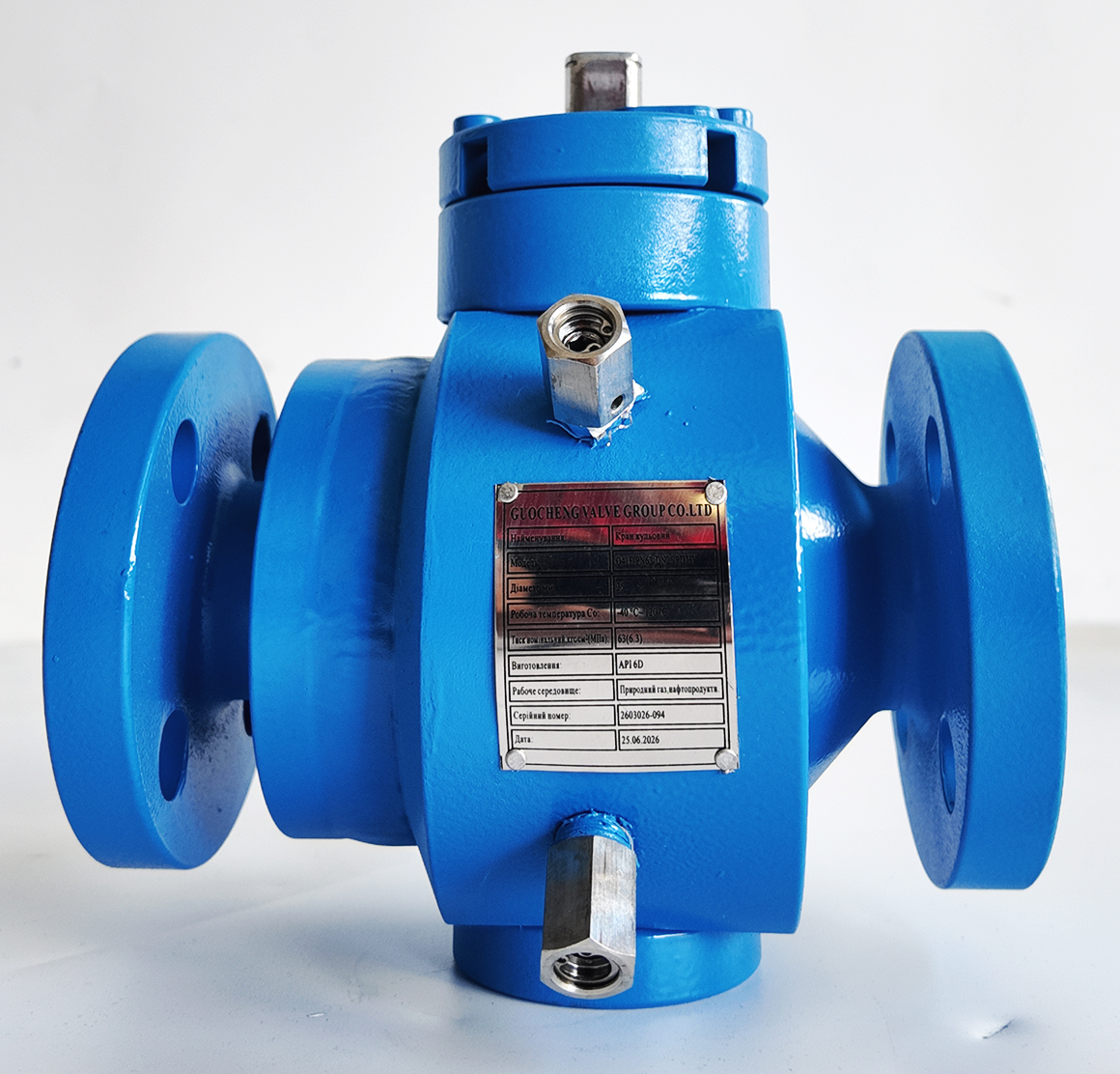
When looking for high-quality ball valves and plug valves for industrial use, it is important to know where to find them. A good place to start is Guocheng Valve Group Co., Ltd. This company specializes in making valves that are used in many different industries. They have a wide selection of both ball valves and plug valves. Control valves are round and use a ball to stop or allow the flow of liquid. Plug valves have a cylindrical plug that turns to open or close the flow. When you buy from Guocheng Valve Group Co., Ltd, you can be sure you are getting strong and reliable products. They use good materials and have a lot of experience in making valves that last a long time. It is also important to check if the valves meet safety standards. This means they are tested to make sure they won't leak and can handle high pressure. Guocheng Valve Group Co., Ltd is known for its quality control, so you can trust that their products are safe to use. You can find these valves in many types of industries, like oil and gas, water treatment, and manufacturing. It's also helpful to read reviews or ask other companies about their experiences. When you choose a supplier like Guocheng Valve Group Co., Ltd, you can feel confident that you are making a smart choice for your industrial needs.
Why Ball Valves Are Often Preferred Over Plug Valves
Now, let's talk about why ball valves might be a better choice than plug valves in some situations. Ball valves are very efficient at controlling the flow of liquid or gas. They open and close quickly, which is great if you need to stop the flow right away. This can be very important in emergencies. Ball valves also provide a tight seal when closed, which means there is less chance of leaks. This is especially important when working with dangerous liquids or gases. In contrast, plug valves can sometimes allow a small amount of leakage, which is not always safe. Ball valves are also easier to operate. They can be turned with a simple quarter turn, making them quick and user-friendly. Plug valves, on the other hand, often require more effort to turn, which can make them less convenient. Additionally, ball valves are more versatile. They can be used in many different applications, from water systems to chemical processing. This flexibility makes them a popular choice among engineers and workers. In short, while both ball valves and plug valves have their uses, ball valves can be the better option in many cases because they are fast, safe, and easy to use.
Common Misconceptions About Ball Valves and Plug Valves
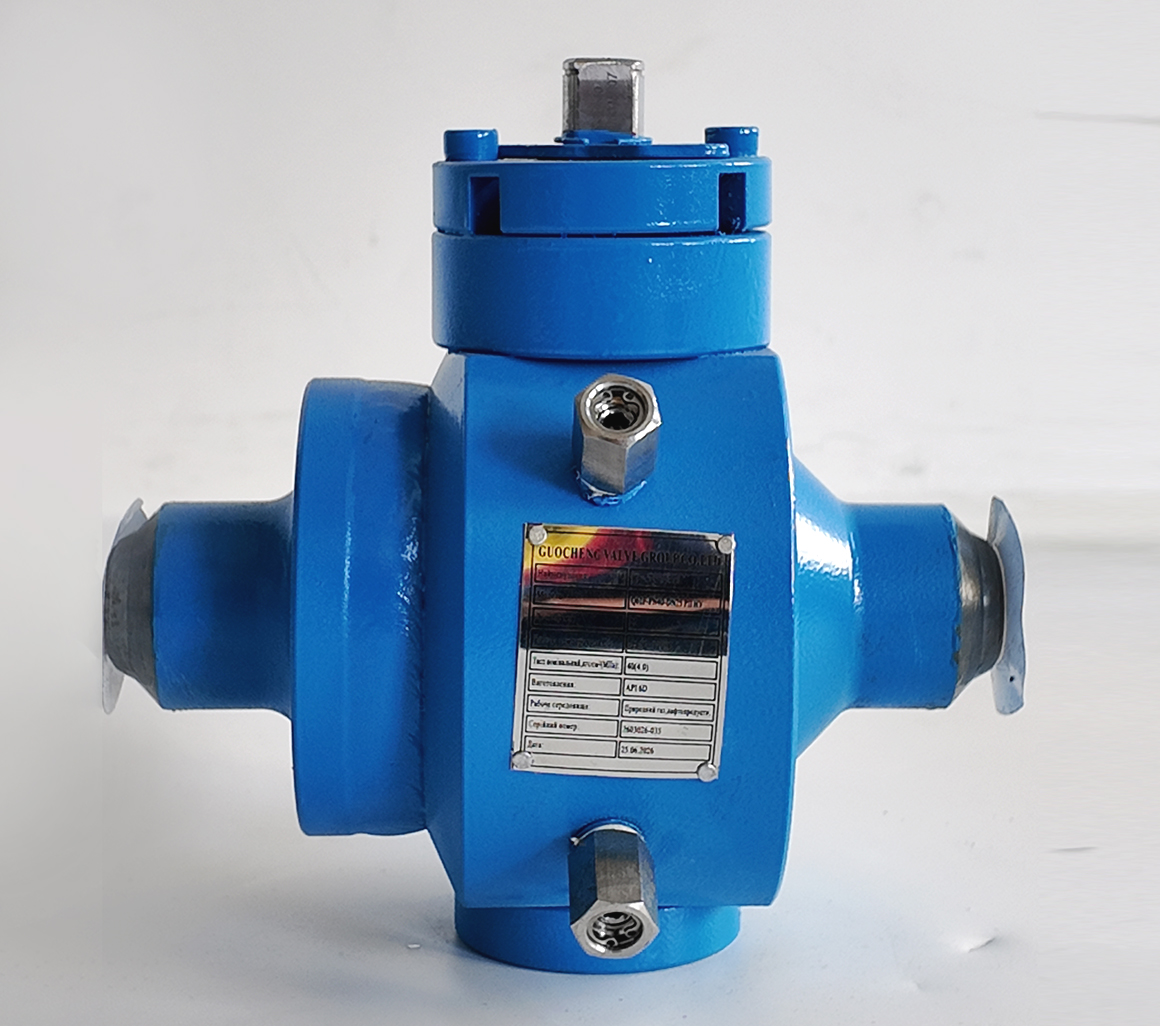
There are some common misconceptions about both ball valves and plug valves that we can clear up. One of the biggest misunderstandings is that people think all valves are the same. This is not true. Ball valves and plug valves are designed differently and work in different ways. Some people believe that plug valves are always better because they can handle thick liquids. However, ball valves can also handle thick liquids well, especially if they are made by a trusted company like Guocheng Valve Group Co., Ltd. Another misconception is that top entry ball valve are always more expensive than plug valves. While this can be true sometimes, it depends on the materials and design of the valve. It is essential to understand that spending a little more on a quality ball valve can save money in the long run by preventing leaks and breakdowns. Some people also think that ball valves should not be used for throttling, or controlling flow rate. While it is true that ball valves are not ideal for this purpose, they can still be used for throttling in some situations, especially when they are designed for that. Finally, many believe that once a valve is installed, it doesn't need any maintenance. This is not the case for either type of valve. Regular checks and maintenance are important for both ball and plug valves to ensure they work well over time. By understanding these misconceptions, you can make better choices when selecting valves for your industrial needs.
 EN
EN AR
AR BG
BG CS
CS DA
DA NL
NL FI
FI FR
FR DE
DE EL
EL HI
HI IT
IT JA
JA KO
KO NO
NO PL
PL PT
PT RO
RO RU
RU ES
ES SV
SV TL
TL IW
IW ID
ID LV
LV LT
LT SR
SR SK
SK UK
UK VI
VI SQ
SQ ET
ET HU
HU TH
TH TR
TR FA
FA AF
AF MS
MS GA
GA CY
CY BE
BE IS
IS HY
HY AZ
AZ EU
EU KA
KA HT
HT BN
BN BS
BS EO
EO HMN
HMN IG
IG JW
JW LO
LO LA
LA MN
MN NE
NE MY
MY NY
NY KK
KK SU
SU TG
TG UZ
UZ KY
KY LB
LB SM
SM XH
XH